

My Favorite Piece: Collection Spotlight Vol. 9 The Museum of Art, Kochi: Goda Sawako, Anxious Veronica
In this series, museum personnel from around Japan introduce a “favorite piece” from their own museum’s collection, works that they hope everyone will see and appreciate. For Vol. 9, we visited the Museum of Art, Kochi, which opened in 1993.
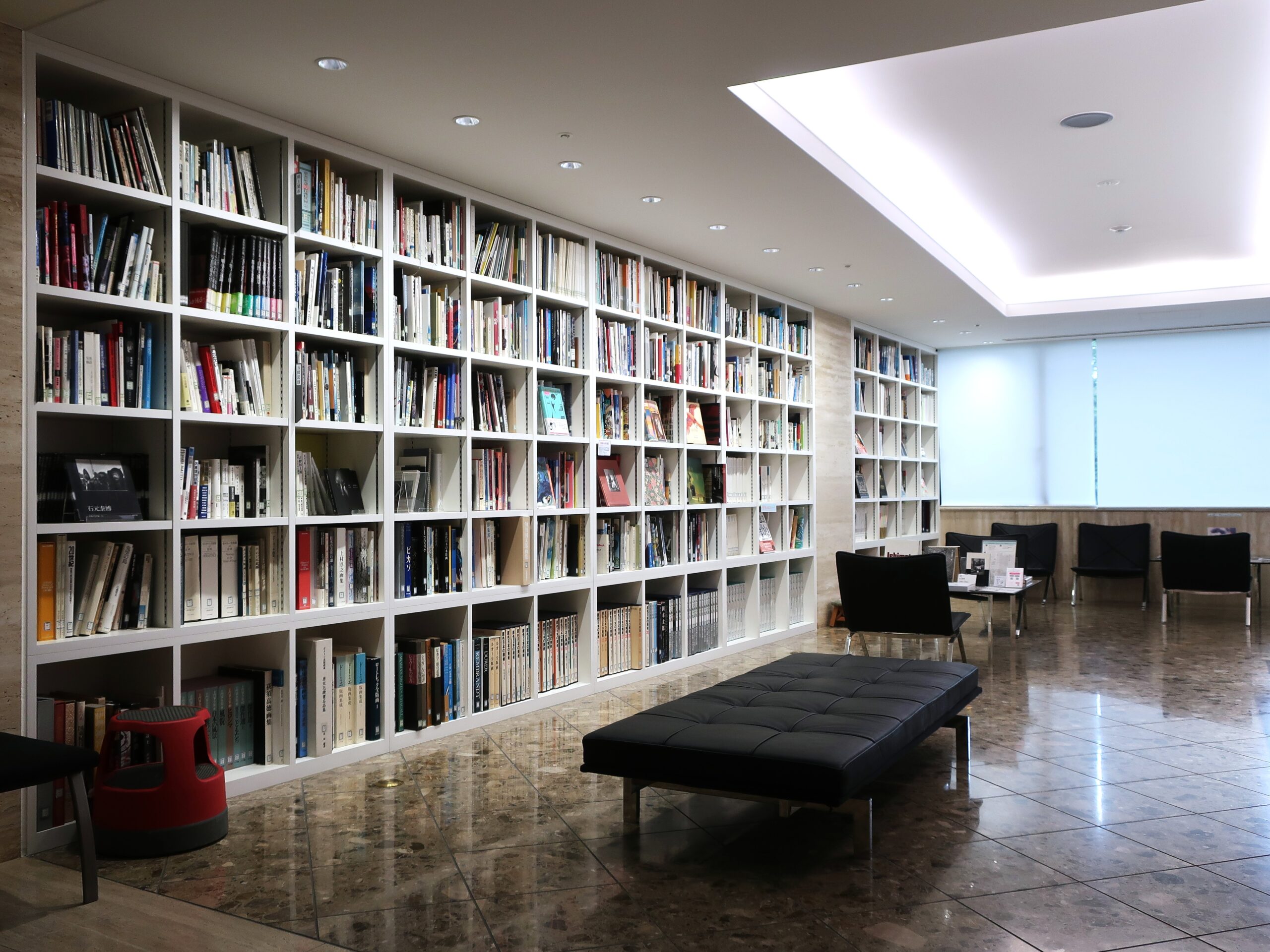
The museum acquires and exhibits a wide range of art from Japan and abroad, including its internationally recognized collection of works by Marc Chagall (1887–1985), works by artists associated with German Expressionism and Neo-Expressionism, and works by modern and contemporary artists with ties to Kochi. It also administers the extensive archive of internationally active photographer Ishimoto Yasuhiro (1921–2012), while conducting research on its contents.
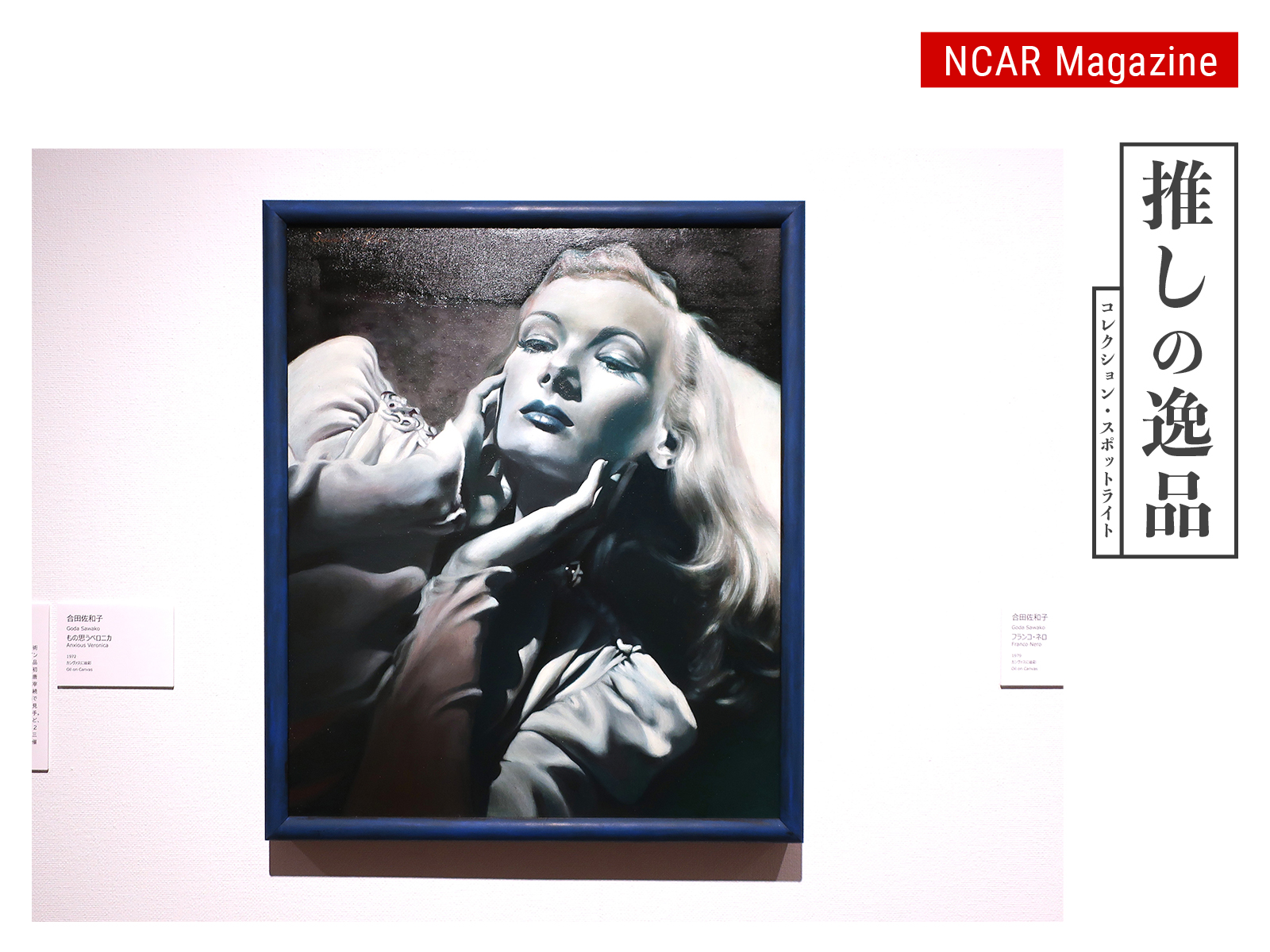
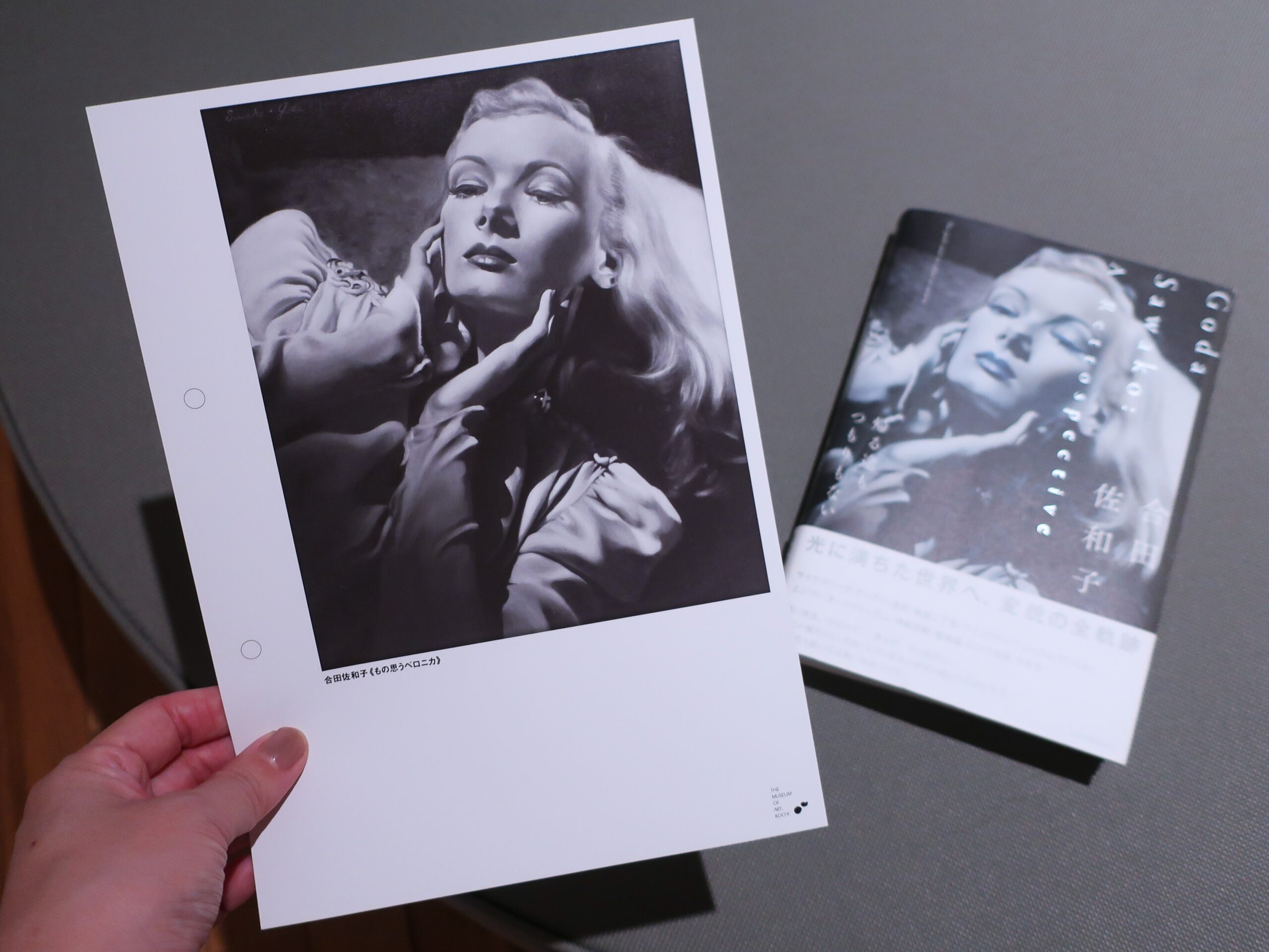
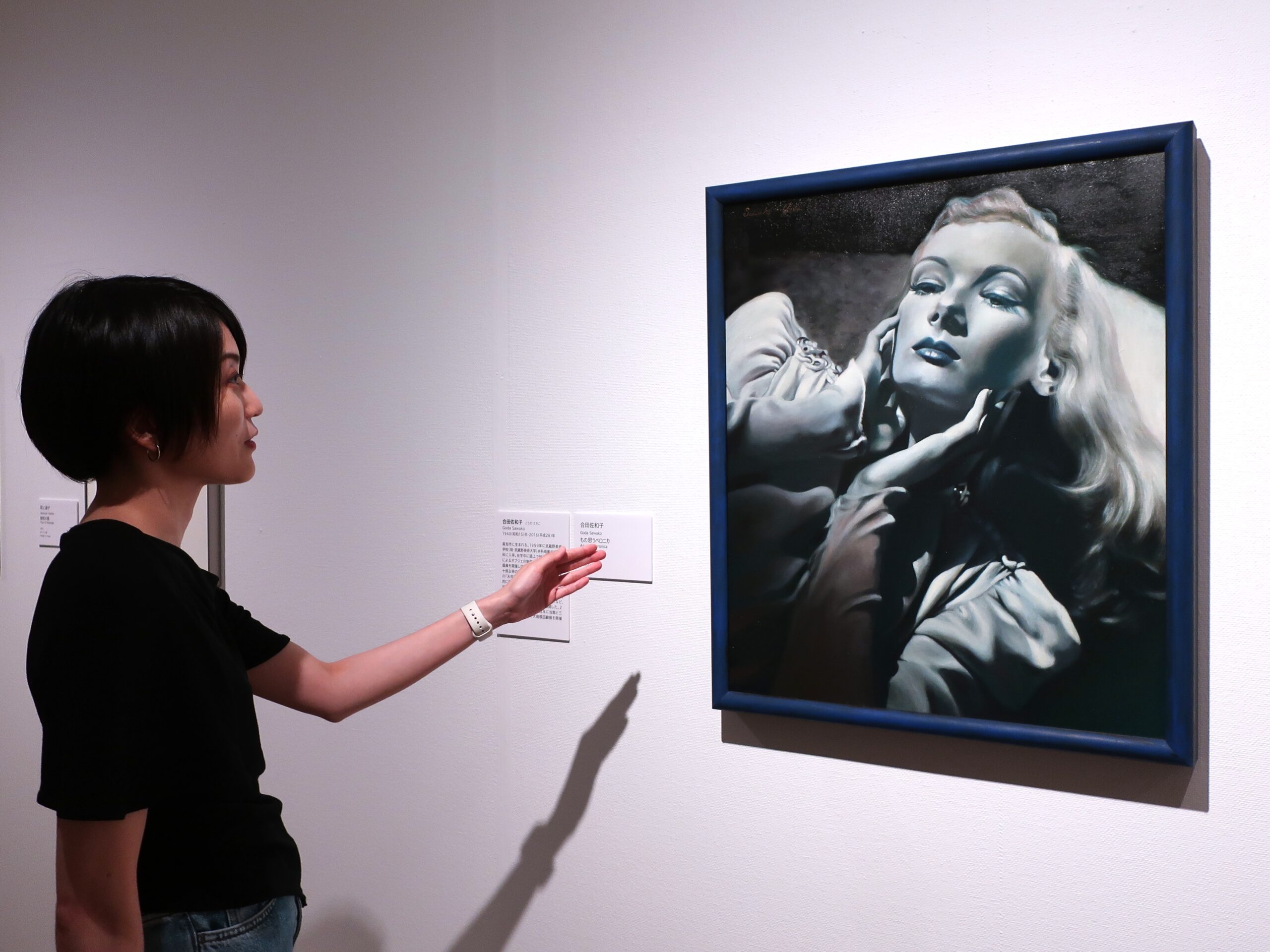
This installment’s “favorite piece,” Goda Sawako’s (1940–2016) Anxious Veronica, is a painting rich in subtle, deeply layered color and one that deserves to be seen up close (it is on view in Collection II through September 13, 2026). The work was also selected for “100 Must-see Artworks in Japan: Japanese Contemporary Art Edition,” a project launched by the National Center for Art Research (NCAR) in 2025. Curator Tsukamoto Mari spoke with us at length about the painting.
A conversation with curator Tsukamoto Mari
Photo: Goda Sawako, Anxious Veronica, 1972.
Kochi’s Only Prefectural Art Museum, Serving as a Cultural Hub
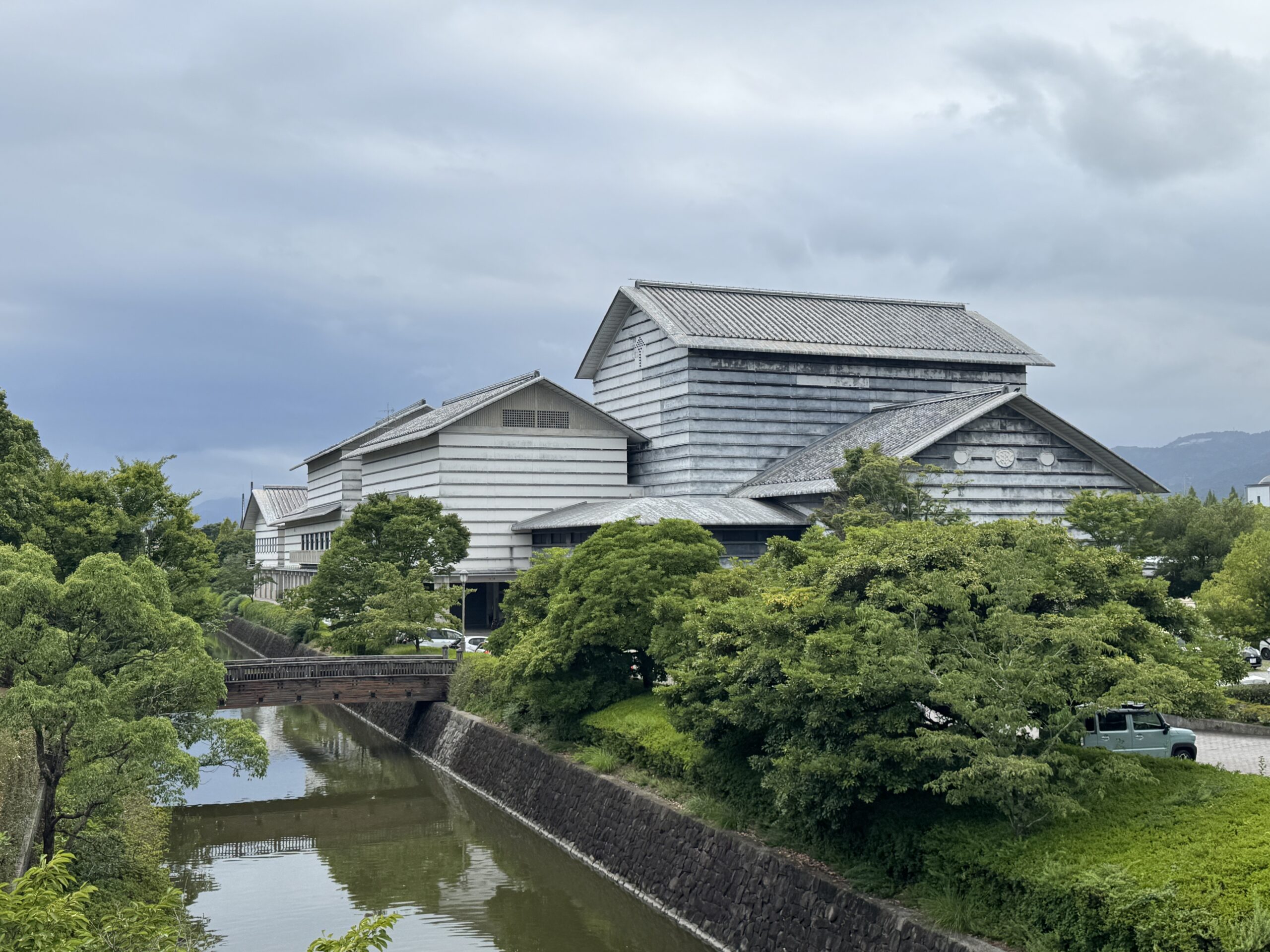
The Museum of Art, Kochi is about 30 minutes from JR Kochi Station by Tosaden Traffic Co. Ltd. streetcar, with a change along the way. After crossing the bridge over the Funaire River, my first impression of the Museum of Art, Kochi, standing beyond the open expanse ahead, was of the stateliness and dignity of an enormous manor house and storehouse beside a moat.
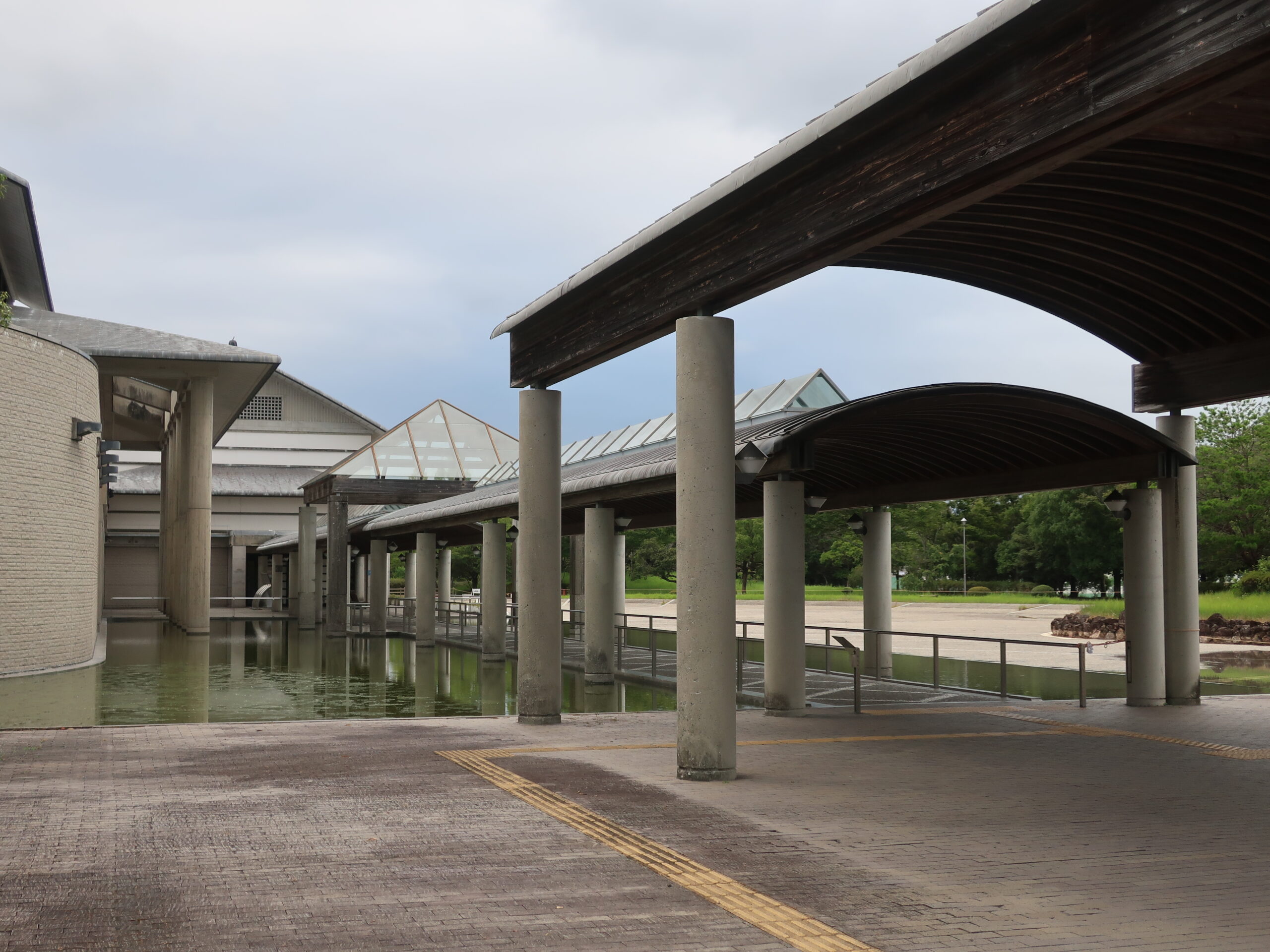
Traditional local materials are incorporated into the museum’s architecture, and the Museum Hall building has gable roofs clad in roof tiles. Perhaps because I had heard that the hall contains a movable Noh stage, the long passageway running straight to the entrance reminded me of a Noh bridgeway.
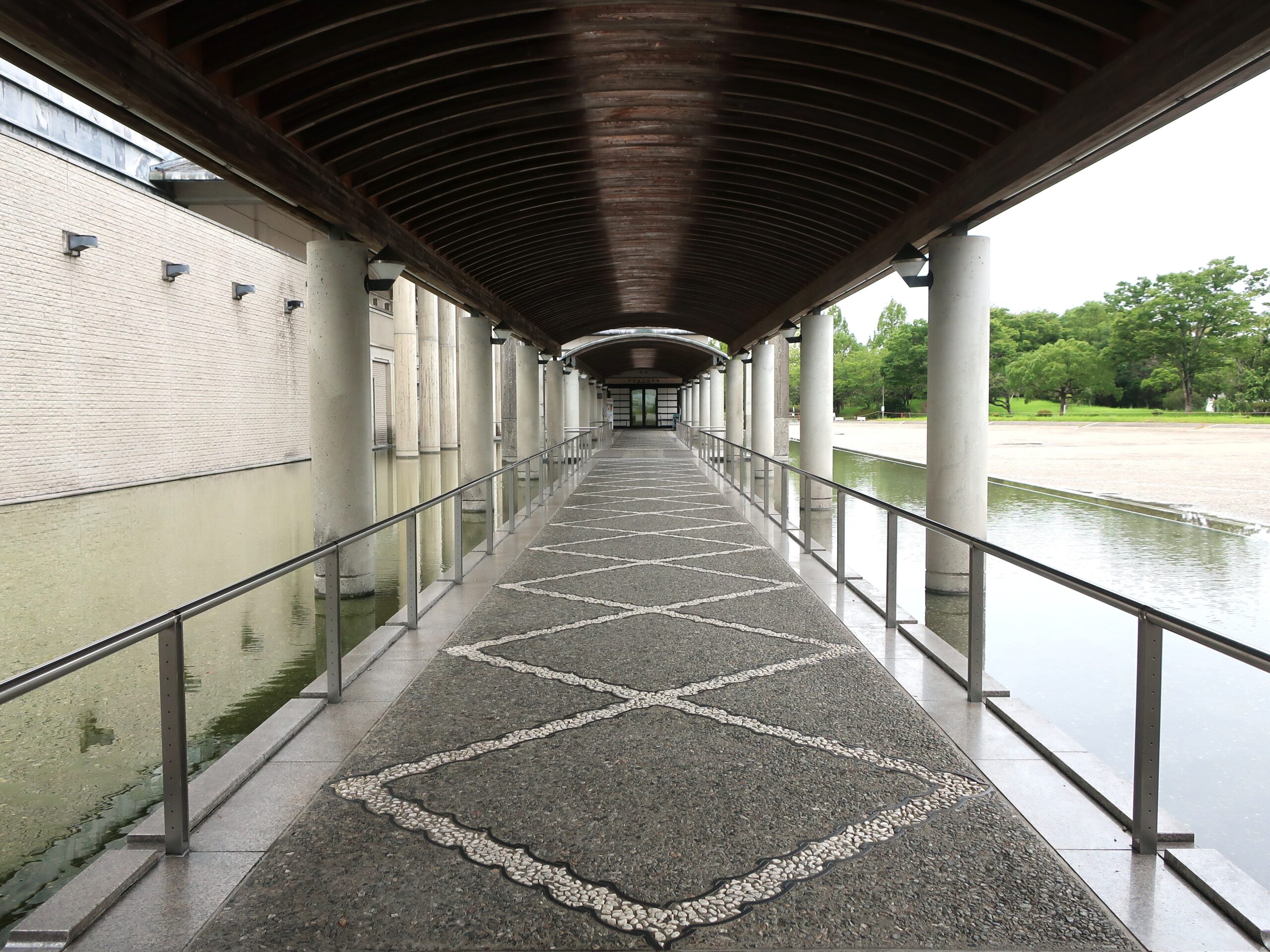
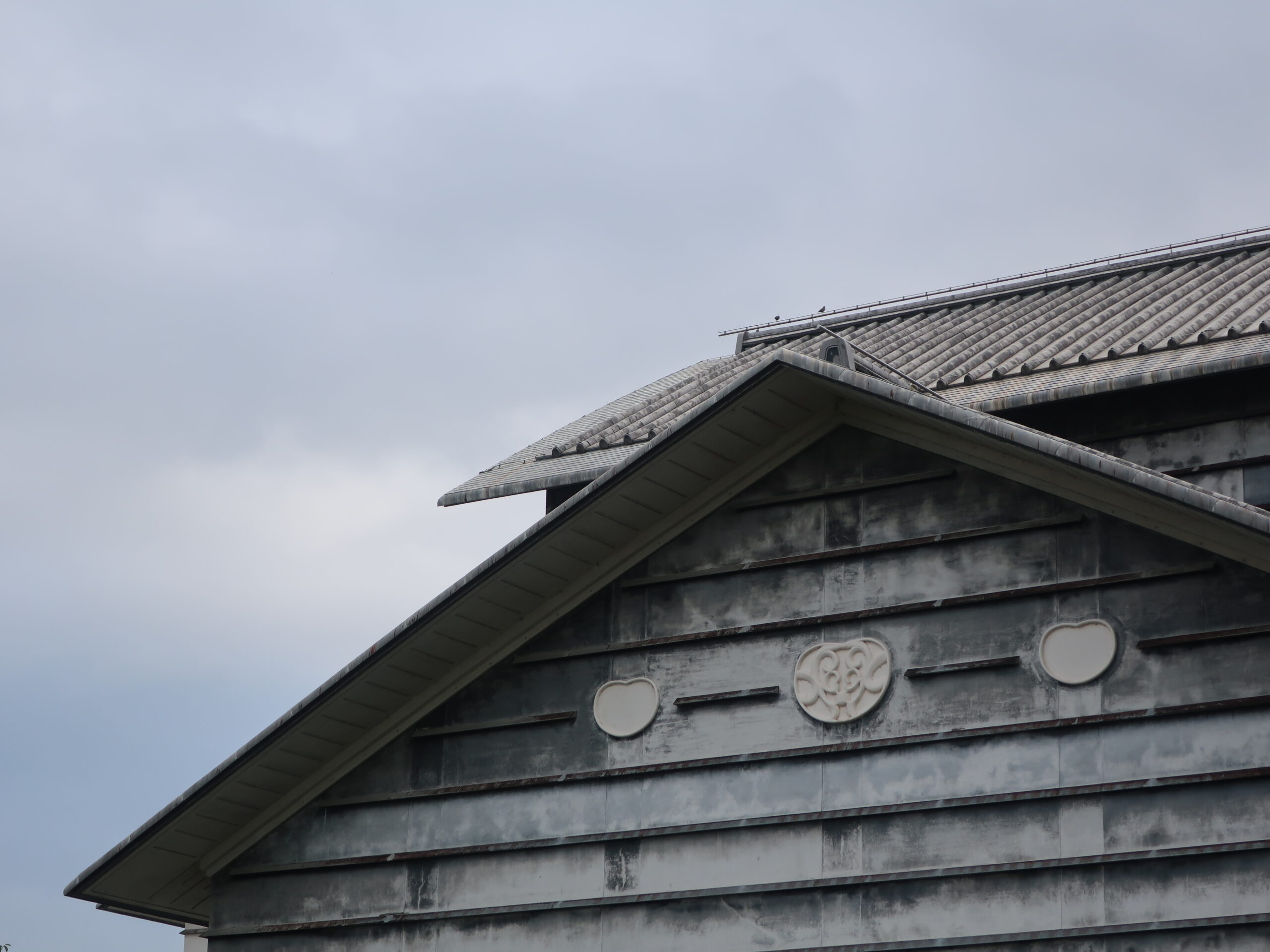
The Museum of Art, Kochi opened on November 3, 1993, with two central missions: to provide people in the prefecture with opportunities to experience art, and to research artists with ties to Kochi and bring their work to wider attention. Through exhibitions of works from the collection organized around themes devised by the museum, it continues to offer multifaceted perspectives on the artists and their work.
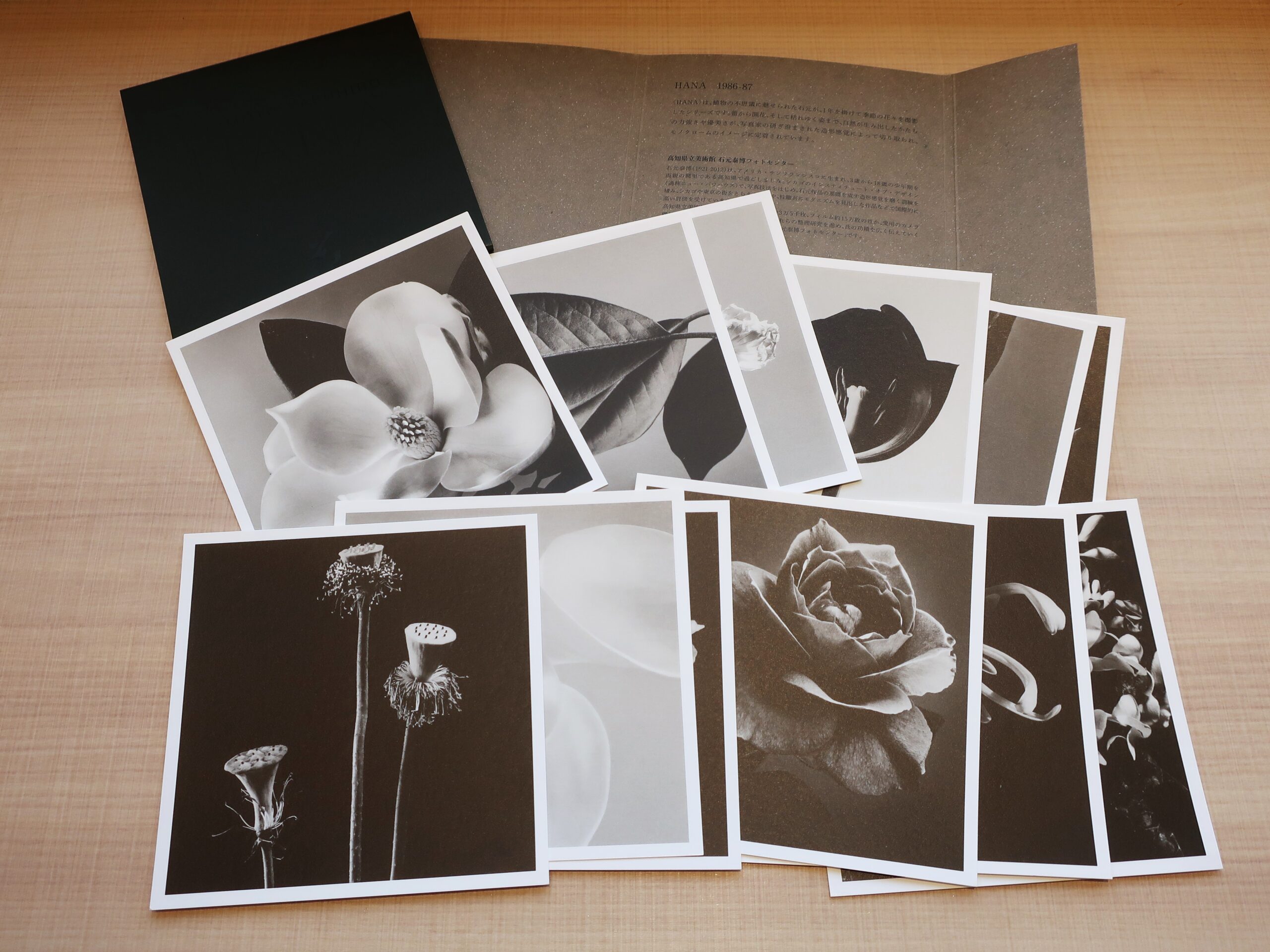
Ishimoto Yasuhiro, an internationally active photographer with ties to Kochi, had a major retrospective at the museum during his lifetime. That connection led him to donate to Kochi Prefecture virtually everything associated with his practice, including more than 30,000 prints, some 150,000 negatives and transparencies, camera equipment, and books, as well as transferring his copyrights. In 2013, the museum established the Museum of Art, Kochi Ishimoto Yasuhiro Photo Center, which now attracts many researchers from Japan and abroad.
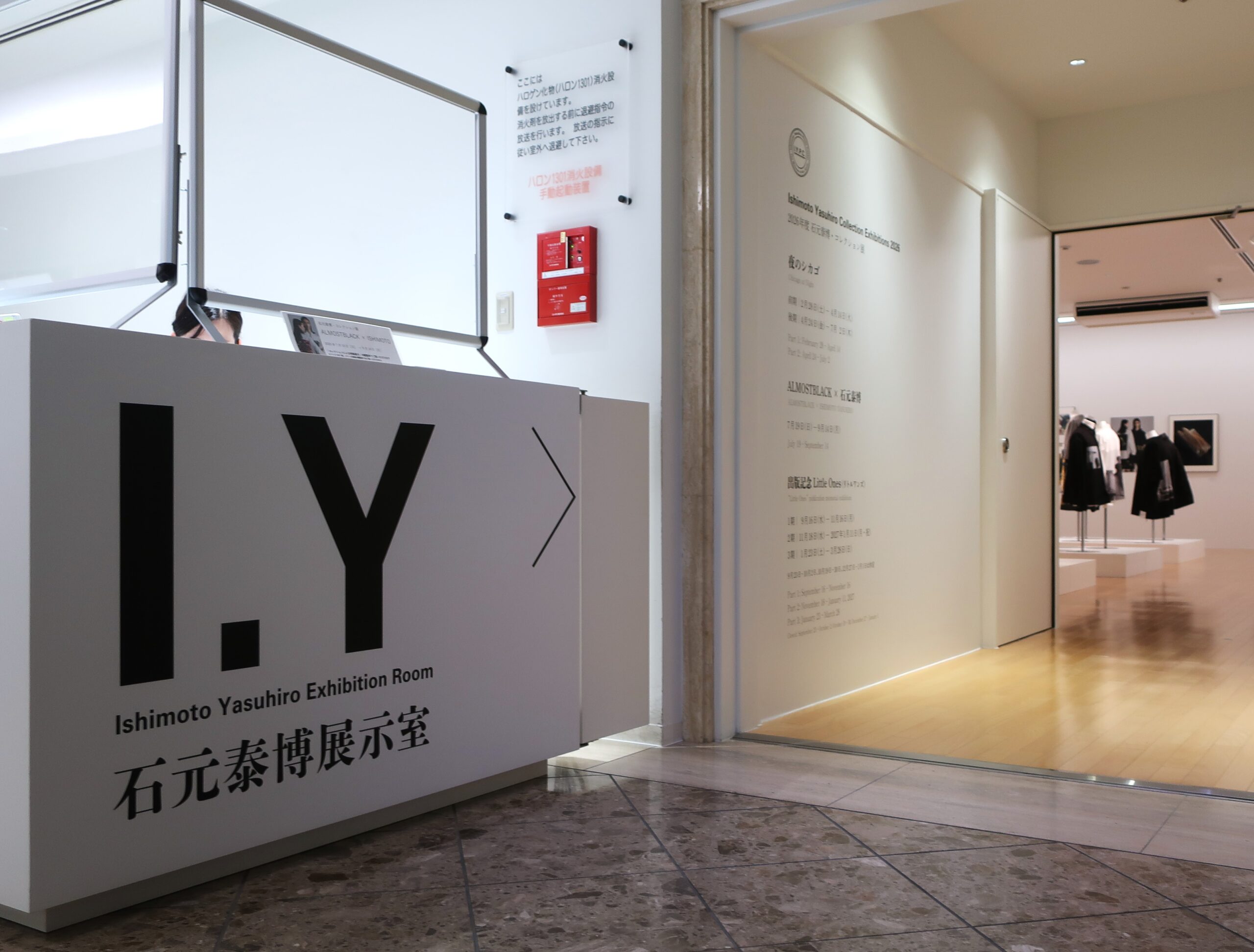
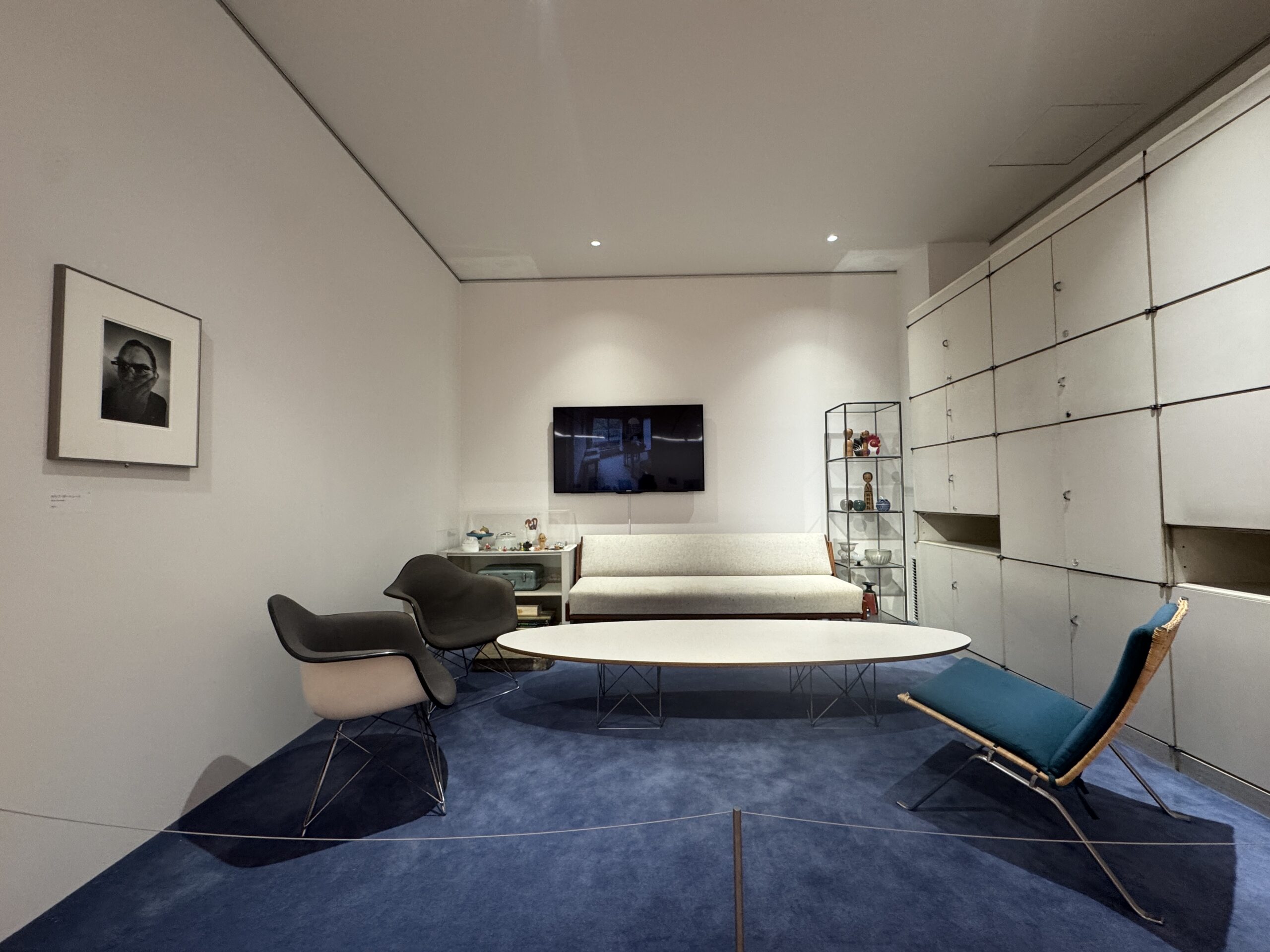
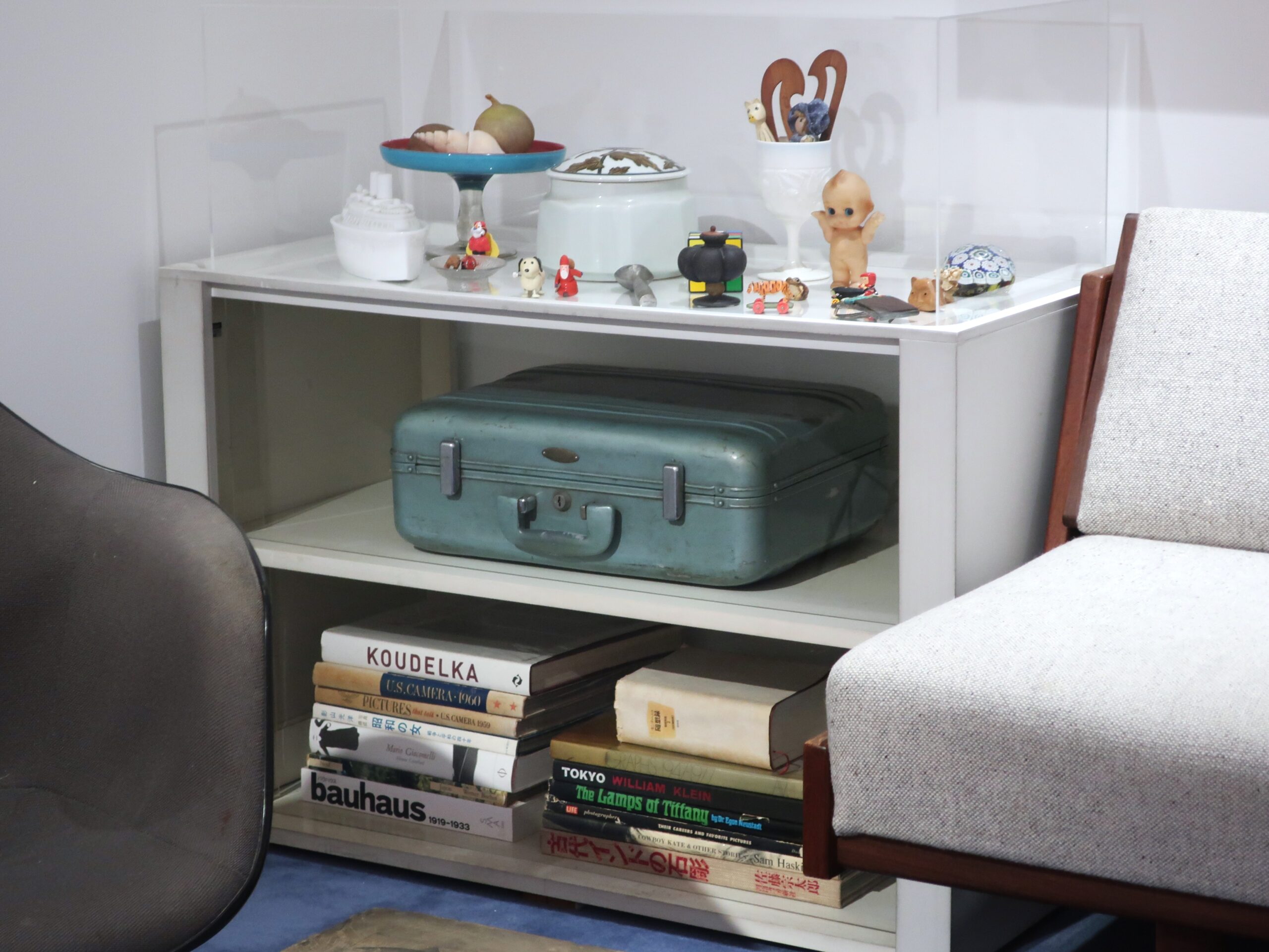
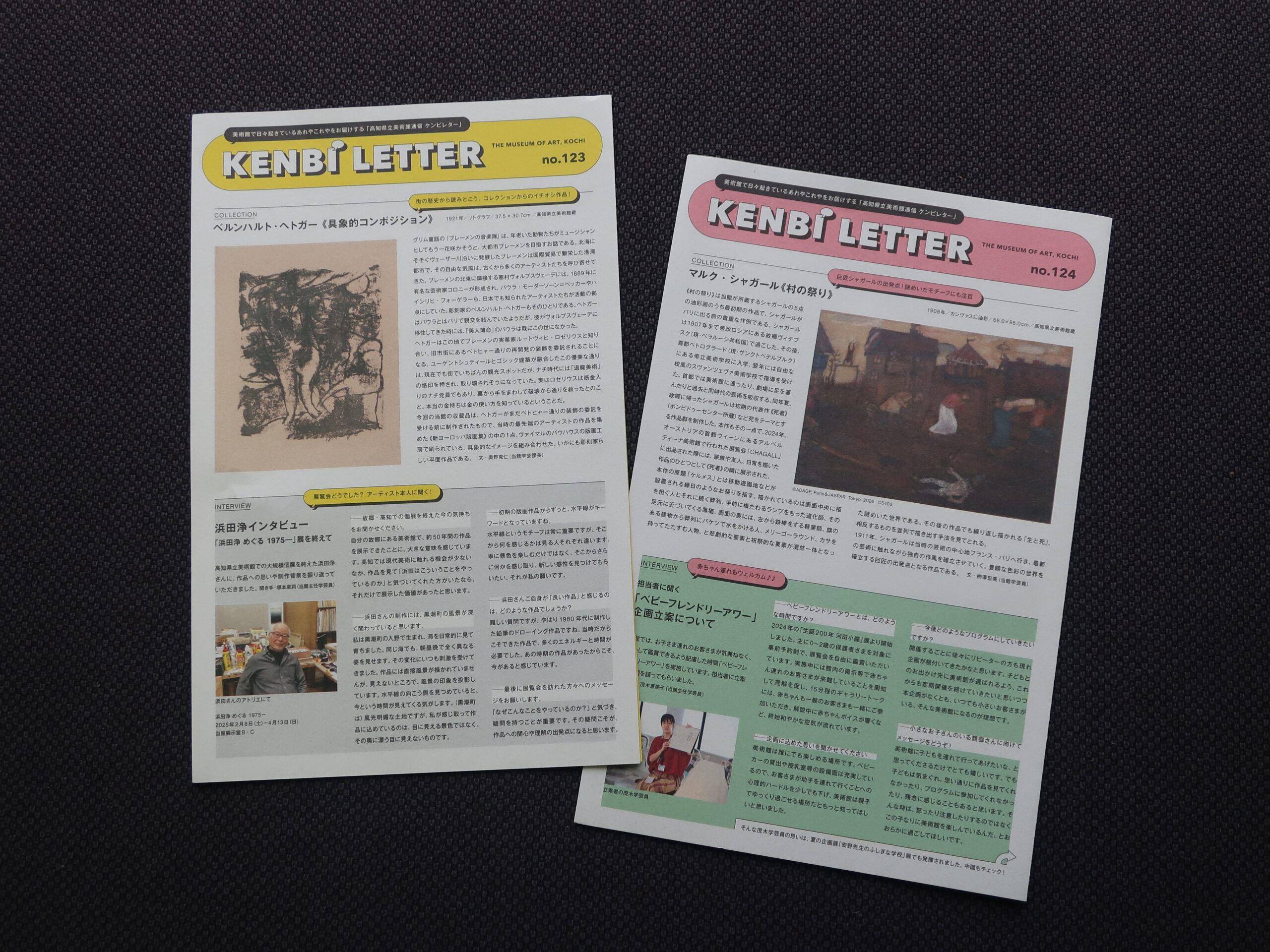
The museum also has dedicated staff responsible for film programming and performing arts. As an cultural hub for the region, it runs an ambitious program that includes regular seasonal screenings of bold, unconventional films, performing arts, and traditional performing arts such as kagura (Shinto music and dance).
Why a Subtle Sense of Unease Makes the Work Memorable
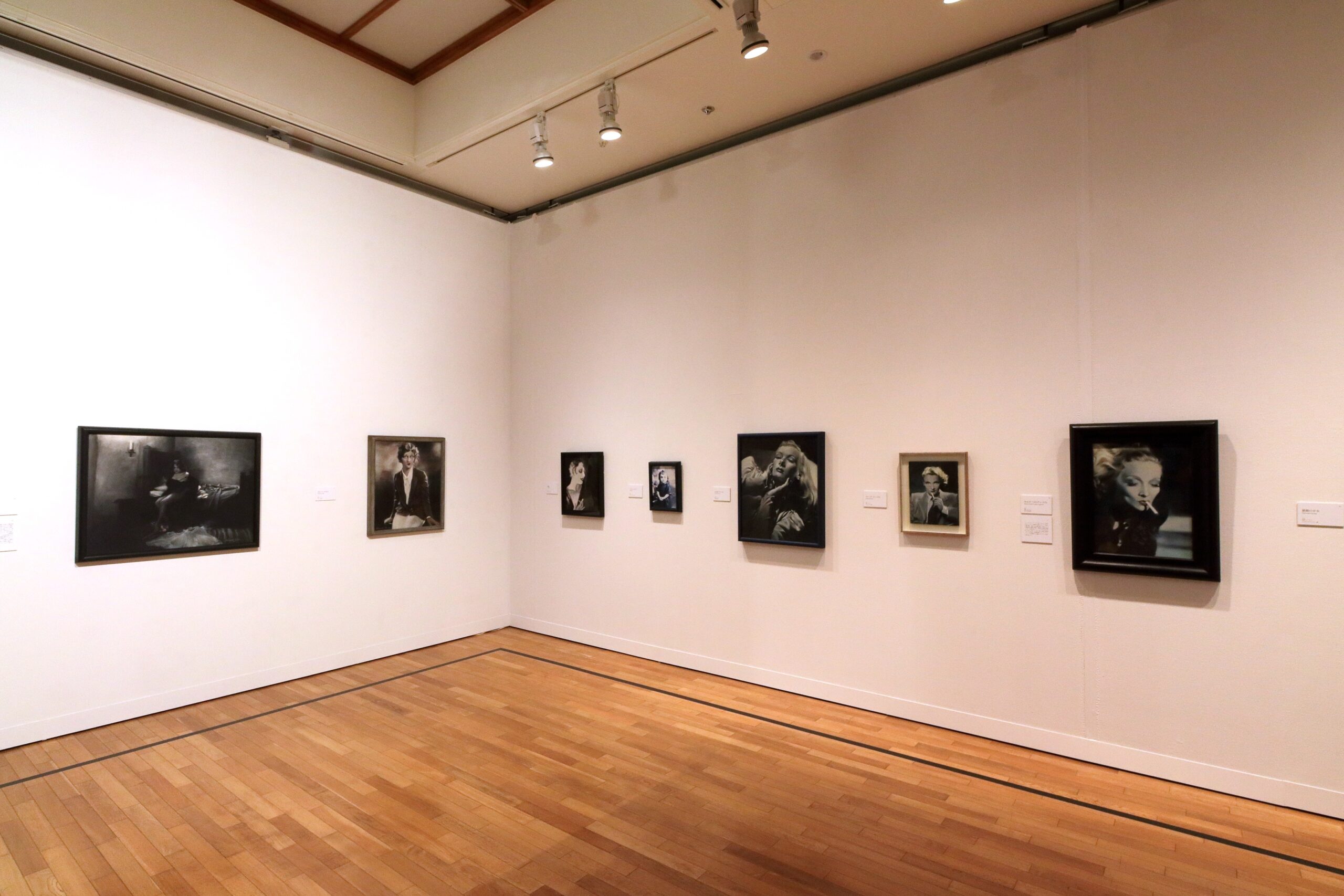
Goda Sawako’s Anxious Veronica is a key work in the series of oil paintings she began after she started painting seriously as a self-taught artist in 1971. Faithfully rendering photographic sources such as movie-star publicity stills and photographs from magazine spreads in paint, Goda’s work attracted attention at the time not only within contemporary art for its critical perspective, but also in fields such as advertising and publishing.
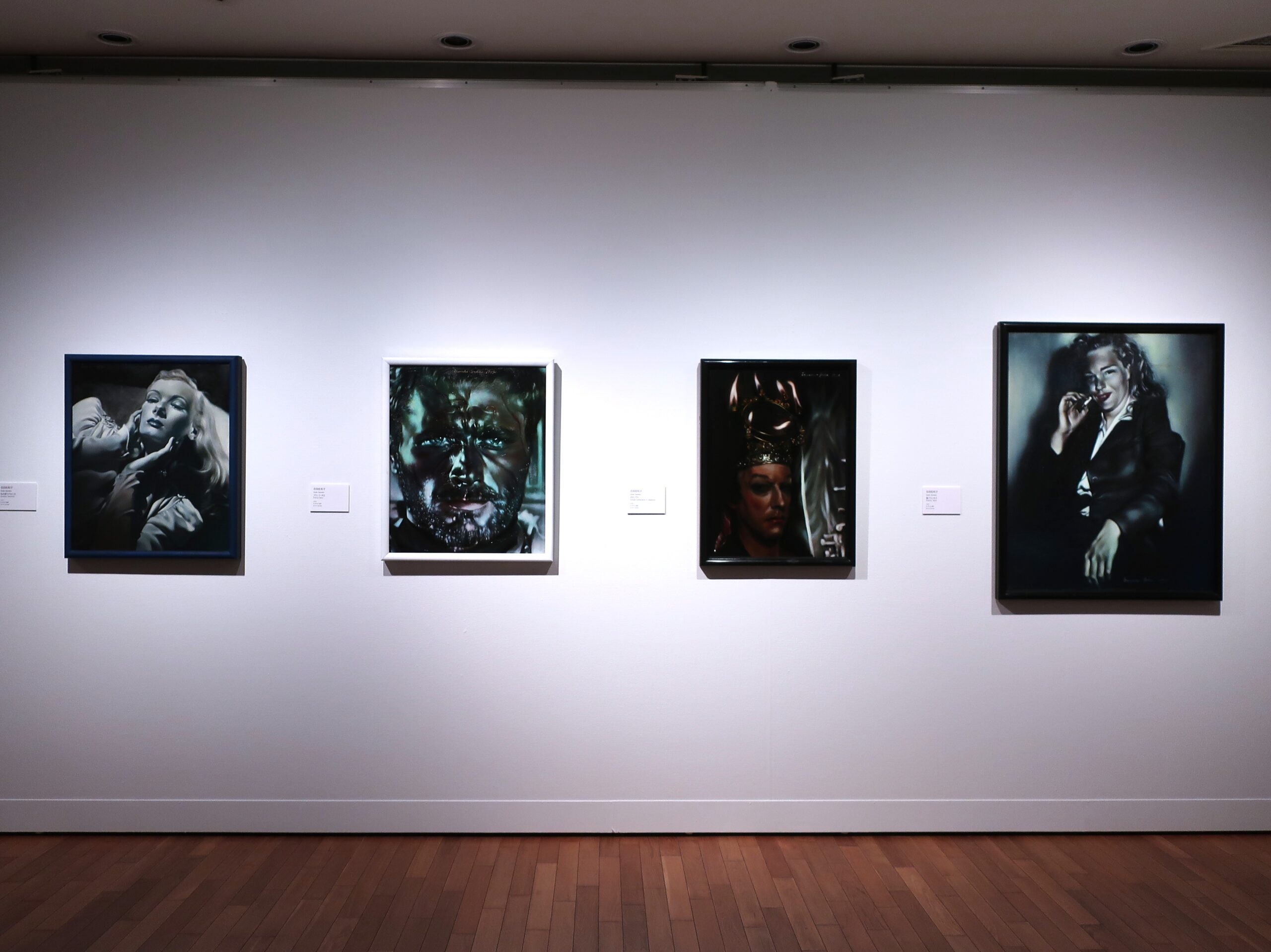
The painting depicts Hollywood actress Veronica Lake (1922–1973), known for her sultry beauty.
“If you look closely at Veronica, with both hands pressed to her cheeks and a pensive expression on her face, you notice that the placement of her head and shoulders and the length of her neck somehow seem oddly out of balance,” Ms. Tsukamoto explains.
“At the time, Goda was a single mother with a very hectic daily life. She set up her easel in a fairly cramped kitchen and painted during breaks from housework and childcare, and that seems to have affected the distortions in the composition and the strange sense of perspective. This is also thought to have been one factor behind the decadent atmosphere you sense in her paintings. Together with the depth of the dark tones created by layer upon layer of color, I think that may be part of what draws so many viewers in.”
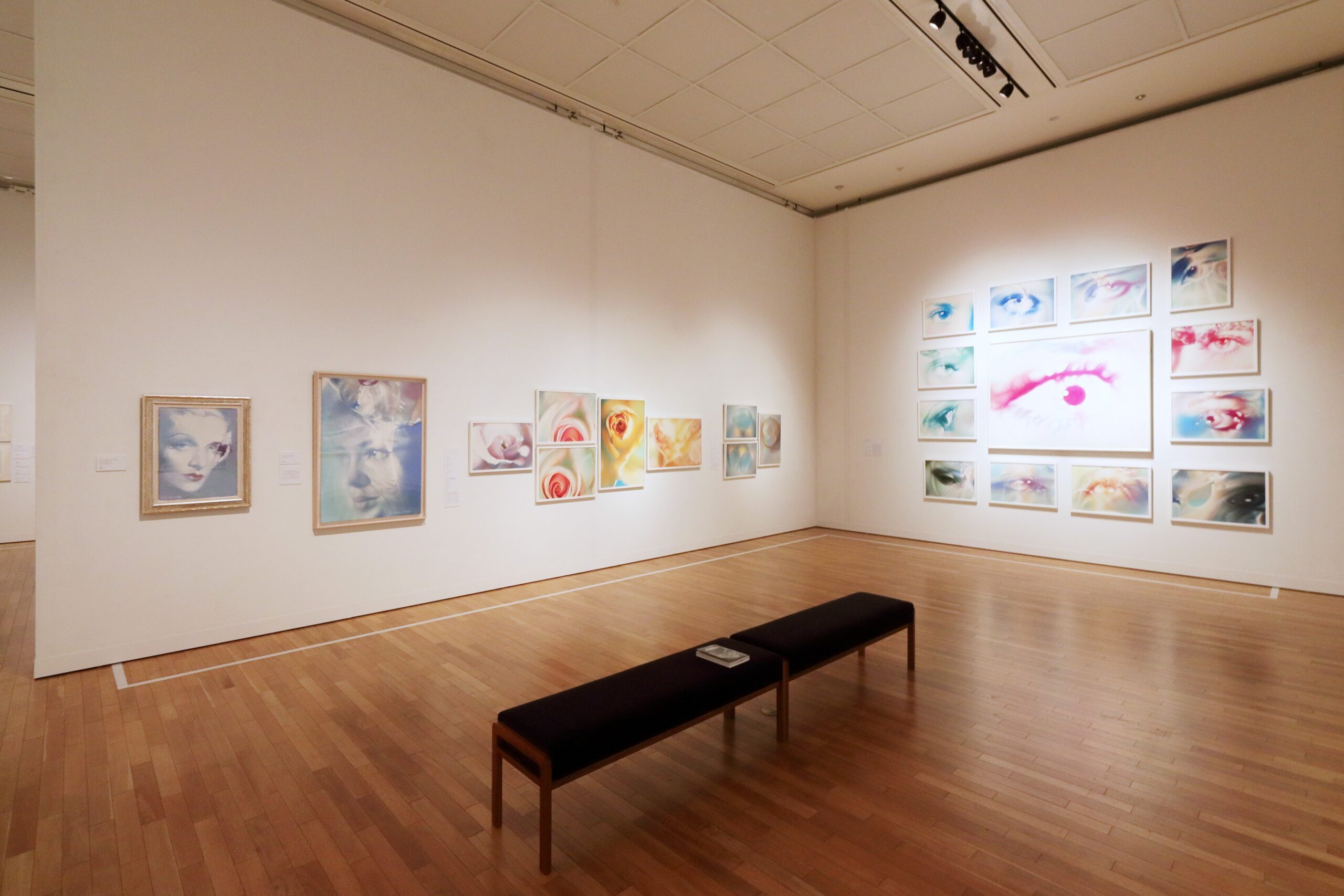
Born in Kochi City in 1940, Goda began exhibiting objects made from discarded materials while still enrolled in the Department of Commercial Design at Musashino Art School (now Musashino Art University). After graduating, she worked on stage and promotional design for Jokyo Gekijo, the theater company led by Kara Juro, as well as for Terayama Shuji’s Tenjo Sajiki. The year before painting Anxious Veronica, she was inspired by a daguerreotype she found on a New York street while living there and began painting from photographs. From her late 40s onward, as she turned increasingly toward her inner life, her style shifted toward a brighter palette. Throughout her career, she worked prolifically in a wide range of fields extending beyond fine art to fashion and music.
Rooted in the Region, Looking to the World, and Bringing Artists’ Work into Focus
Held in 2022 and 2023, Goda Sawako: Retrospective was the first retrospective since Goda’s death and the largest survey of her work ever mounted. Presented at the Museum of Art, Kochi and Mitaka City Gallery of Art in Tokyo, the exhibition surveyed the diverse and singular body of work of an artist who had arguably not received the recognition she deserved. It attracted attention in Japan and abroad and offered many people, myself included, an opportunity to discover Goda Sawako and her work in depth. Tsukamoto was one of the curators who worked on the exhibition.
Tsukamoto joined the Museum of Art, Kochi as a curator in 2016. Since then, her activities as a curator of contemporary art have ranged from launching ARTIST FOCUS, a series presenting artists with ties to Kochi, to independently organizing exhibitions outside the museum. She had not, however, originally planned to pursue a career as a curator.
In high school, while looking for a career that would allow her to combine her interests in art and history, she discovered the field of conservation. She went on to study at Aichi University of the Arts and then at Tokyo University of the Arts, where she pursued graduate studies in conservation and specialized in the restoration of oil paintings.
After completing graduate school, she was working for an art auction company in Tokyo when she happened to come across an opening for a curator at the Museum of Art, Kochi, which led to her current position there.
Tsukamoto is now also participating in NCAR’s JUMP: Global Collaboration Program for Emerging Artists and Curators from Japan. She and the artist duo MES (Arai Takeru and Tanikawa Kanae) are currently preparing for an exhibition at The Museum of Contemporary Art, Los Angeles, with Yasuda Atsuo, director of the Museum of Art, Kochi, and others serving as mentors. The project will also be presented at the Museum of Art, Kochi after the exhibition overseas, and we look forward to seeing how it takes shape there.
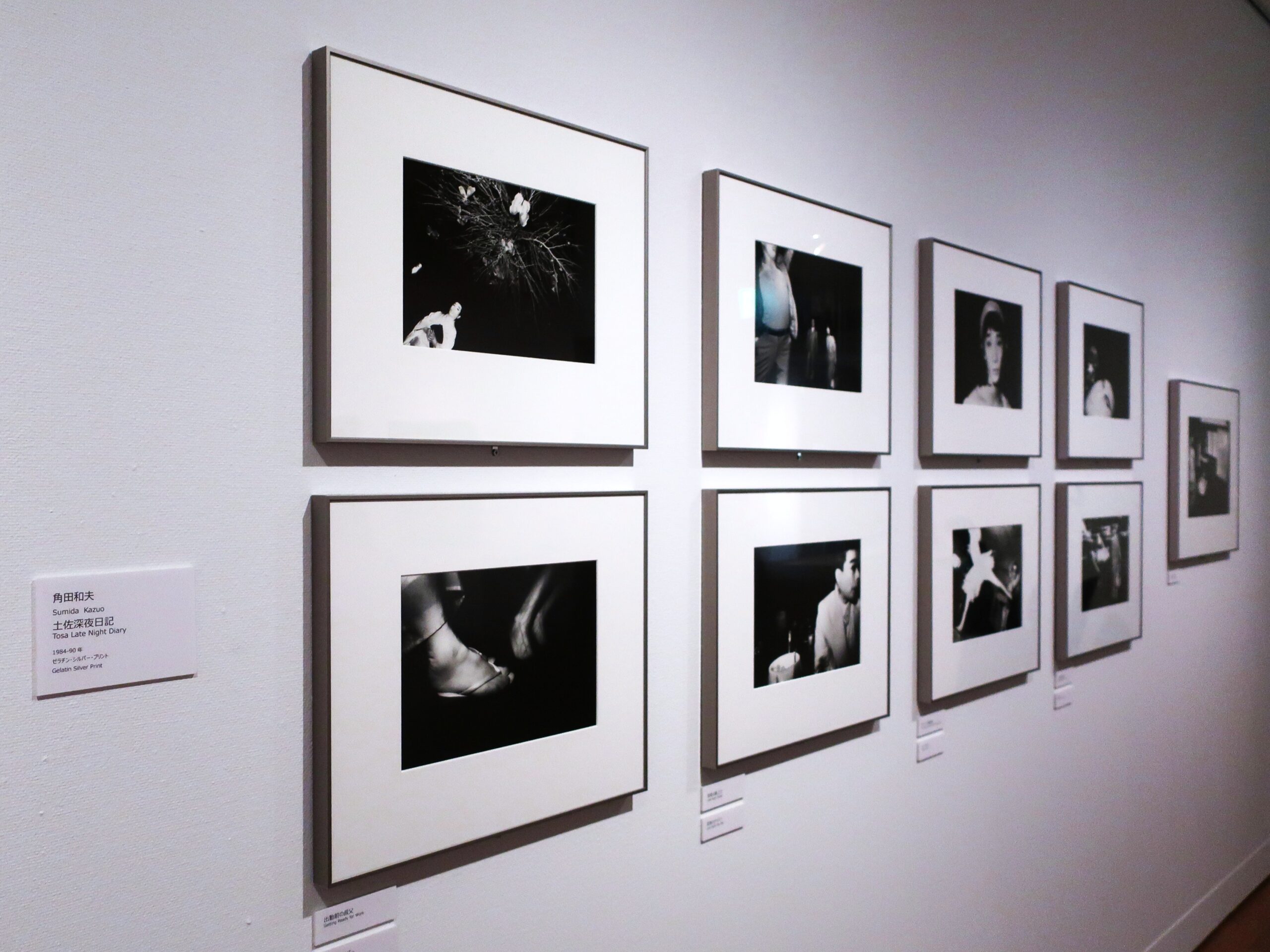
While I was at the museum, we happened to encounter members of photographer Sumida Kazuo’s family in the collection galleries. Sumida had been the subject of a solo exhibition for the third installment of ARTIST FOCUS. Born in Kochi City and later a resident of Nankoku City, Sumida died suddenly in March 2026. In the current Collection II exhibition, selections from Night of the Full Moon and Tosa Late Night Diary are being shown under the title In Memoriam: Sumida Kazuo (on view through September 13, 2026).
Watching Tsukamoto greet Sumida’s family made clear both her longstanding commitment to presenting artists with ties to Kochi Prefecture, and their work, with the care and respect they deserve, and the extent of the museum’s importance to artists in the region.
What Curator Tsukamoto Loves About the Piece
“At first glance, it seems to be painted entirely in gradations of blue, but there are actually greens and reds in the lower layers of paint. If you look very closely at the work in person, you can see how the colors have been built up layer after layer to create this deep, richly dimensional monochromatic effect. That is part of what makes Goda’s work so compelling: there is much more going on than simply painting from a photograph.”
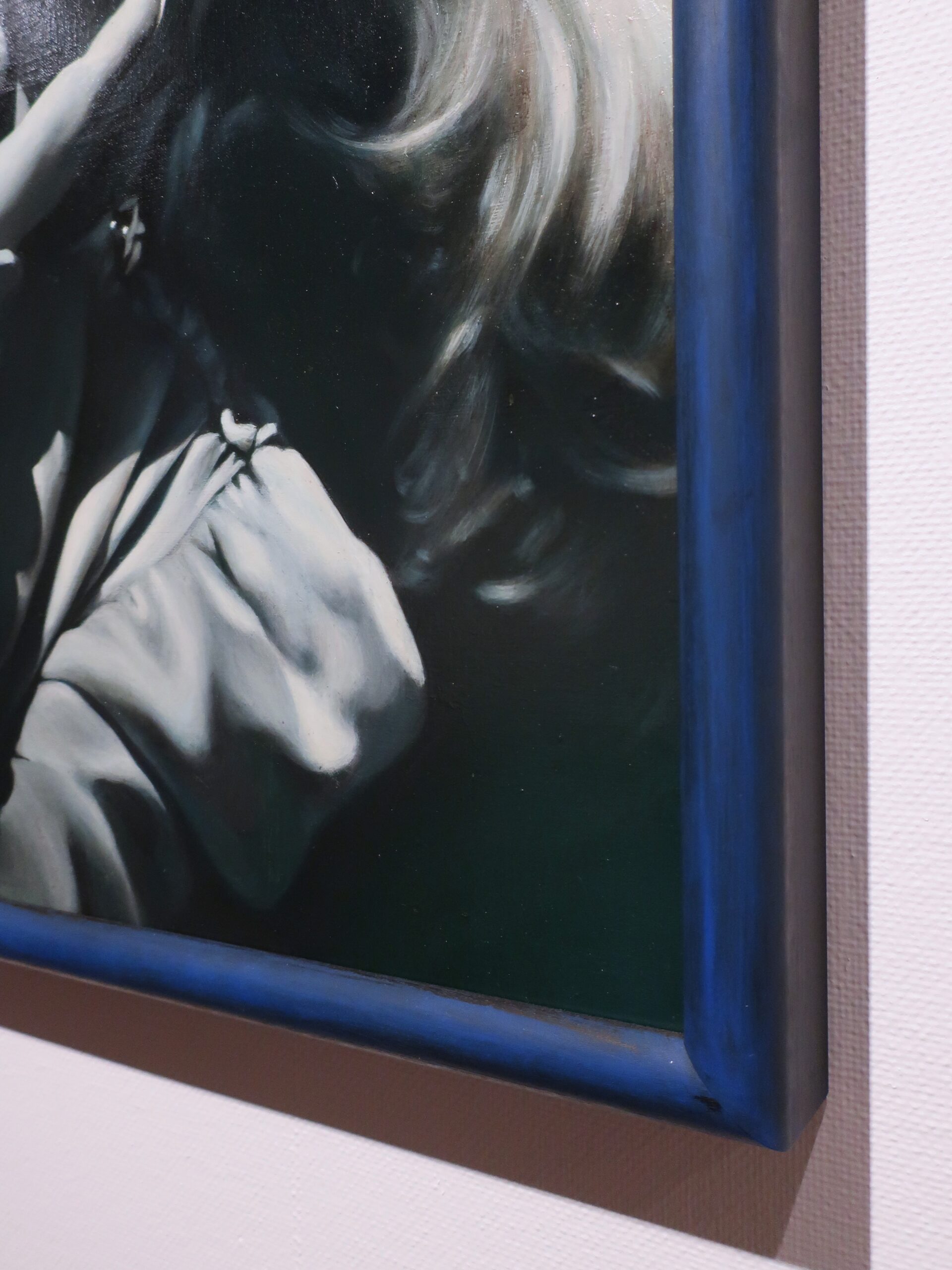
Apparently, when Goda painted this work, she could afford only paints in the three primary colors, along with white and black. This anecdote speaks to the powerful determination behind work that continues to be remembered despite the constraints under which it was made.
Tsukamoto Mari
Curator at the Museum of Art, Kochi. Born in Osaka Prefecture. She completed her studies at the Graduate School of Conservation, Tokyo University of the Arts, in 2014 and has held her current position since 2016. Drawing on her background in conservation and restoration, she approaches each exhibition by asking what should be preserved and by responding to the particular character of its location. At the Museum of Art, Kochi, she launched ARTIST FOCUS, a series of solo exhibitions showcasing artists with ties to Kochi, in 2020, and organized a retrospective of Kochi-born artist Goda Sawako in 2022. She is also actively engaged in projects outside the museum and has worked on numerous independently organized exhibitions featuring emerging and mid-career artists. Tsukamoto places particular importance on work that could only emerge from a specific place, grounded in its history and culture, and continues to present artists’ practices in ways that connect them to the local context.
-
The Museum of Art, Kochi
353-2 Takasu, Kochi City
Kochi Prefecture
781-8123 Japan
Tel +81 88-866-8000
(Interview, photography, and text: Naomi)